HartiganGrace
(1922-2008)
Painter
American
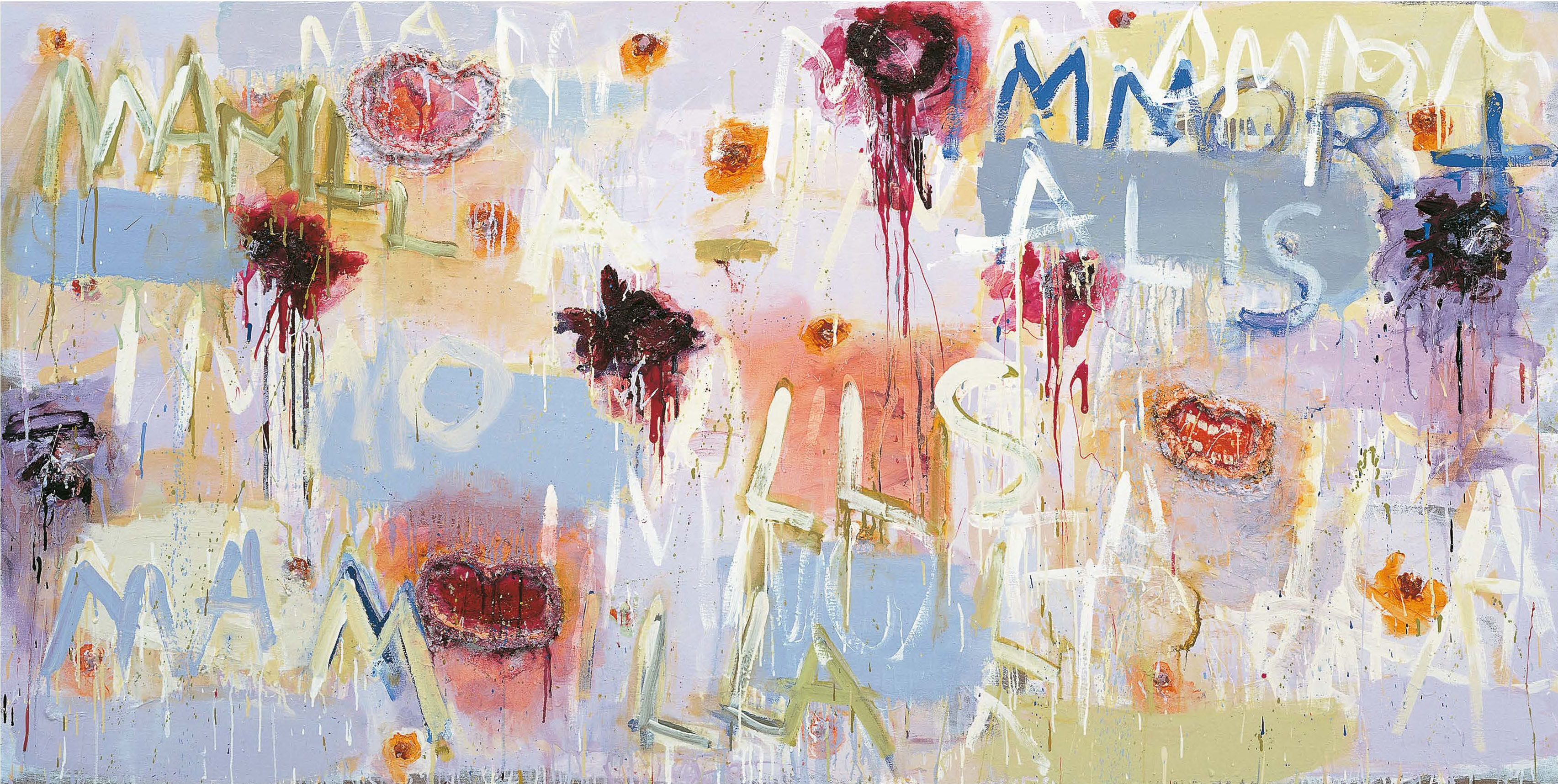
Grace Hartigan, characterized by an innate inclination for inquiry and evolution since childhood, traversed between abstraction and figuration, challenging the norms of the 1950s art scene. Born in 1922 in Newark, New Jersey, into modest circumstances, she entered an unexpected artistic journey after being introduced to Henri Matisse by a colleague. This encounter ignited her passion for painting, leading her to relocate to New York with her son and her mentor, Isaac Lane Muse.
Hartigan found herself captivated by Jackson Pollock's 'drip' paintings, prompting her to seek guidance from both Pollock and Lee Krasner. She also formed close bonds with the de Koonings, drawing inspiration from their works, and blending sensuality with critical insight. Acknowledged as a 'second-generation abstract expressionist,' she relentlessly pursued experimentation, perpetually challenging the artistic conventions of her time.
Her exploration of contemporary rituals and societal expectations of women is evident in pieces like The Persian Jacket, where she merged techniques from Spanish masters with elements of modern American life. This era saw her embrace a nearly abstract approach, exemplified by dynamic creations such as Shinnecock Canal.
Operating under the pseudonym George until 1954, she asserted a freedom of expression that transcended gender stereotypes. Devoted to her artistic liberty, Hartigan continued to teach and create in Baltimore, maintaining an active and influential presence until her passing, refusing to be confined by any singular style.